Source CNC Cut Textured Acrylic Sheet for Decoration, Printing, Advertising
Find 30 listings for cnc cut textured acrylic sheet with customizable sizes from 1mm to 50mm thickness. Compare tensile strength, light transmission, and supplier details for decoration, printing, and advertising projects.
Key considerations
Products List


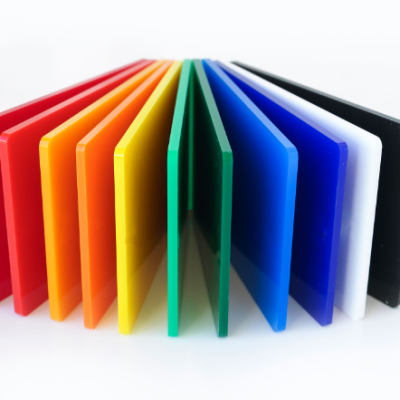
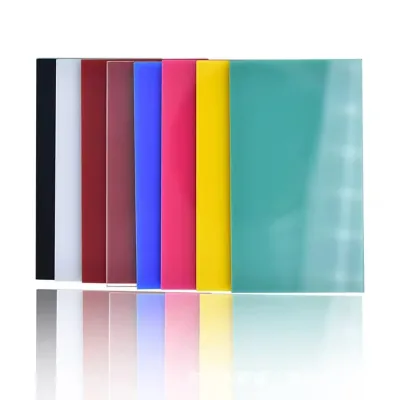


Comprehensive Sourcing Guide
Strategic Sourcing Guide for CNC Cut Textured Acrylic Sheet
The procurement of CNC cut textured acrylic sheet represents a critical intersection of material science, precision manufacturing, and supply chain logistics. For B2B buyers, the decision to source this specific material requires a granular understanding of its physical properties, the nuances of customization, and the rigorous verification of supplier capabilities. Unlike generic plastic procurement, textured acrylic involves specific surface treatments and dimensional tolerances that directly impact the final application, whether in high-end furniture, architectural signage, or decorative printing. This guide synthesizes available market data and technical specifications to provide a disciplined framework for evaluating potential suppliers and managing the procurement lifecycle effectively.
Technical Specifications and Material Properties
The foundation of any successful procurement strategy lies in verifying the technical specifications of the raw material. Acrylic, chemically known as polymethyl methacrylate (PMMA), offers distinct advantages over glass and other plastics, particularly regarding light transmission and mechanical strength. Based on observed market data, the material density typically ranges between 1.19 g/cm³ and 1.20 g/cm³, with some variations noted as 1.2 g/cm³ depending on the manufacturing process. This density is a crucial parameter for weight-sensitive applications such as furniture or transportation signage.
The mechanical performance of the sheet is equally vital. Buyers must verify tensile strength, which in the current market context is observed in ranges of 4150 MPa for certain extruded grades and 5180 MPa for cast variants. The distinction between cast and extruded processes is significant; cast acrylic generally offers superior chemical resistance and clarity, while extruded acrylic provides better dimensional stability for large sheets. The contraction percentage, a measure of thermal expansion and shrinkage, is a critical factor for CNC machining. Observed values range from 0.4% to 1.4%, with some high-precision grades claiming a contraction of less than 0.4%. This variance directly influences the precision of the final cut and the stability of the textured surface after processing.
Optical properties are another defining characteristic. High-quality acrylic sheets demonstrate a light transmittance rate of above 95%, with some specific grades achieving 93% or higher. This high transparency is essential for applications where visual clarity is paramount. Furthermore, water absorption is a key durability metric, with observed rates between 0.2% and 0.4%. Low water absorption ensures that the material does not degrade or warp in humid environments, maintaining the integrity of the texture and the cut edges. The raw material is often sourced as 100% virgin Lucite, ensuring consistent quality without the impurities found in recycled plastics.
Customization Capabilities and Dimensional Standards
One of the primary drivers for sourcing acrylic sheet is the ability to customize dimensions and surface finishes. The market offers a wide array of standard sizes, including 12202440mm, 18003050mm, 12201830mm, and 20503050mm. However, the true value often lies in the ability to source custom sizes. Specifications indicate that suppliers can accommodate thicknesses ranging from 1mm to 50mm, with some specific product lines offering a range of 2mm to 50mm. For thicknesses between 1mm and 30mm, the material is readily available in standard configurations, but thicker sheets may require specific casting processes.
The "textured" aspect of the keyword implies a specific surface finish that goes beyond the standard glossy or matte options. While standard processing includes laser cutting, CNC machining, and UV printing, the texture itself must be verified against the supplier's capabilities. The surface finish is typically described as glossy, but the texturing process (embossing or etching) must be confirmed as part of the manufacturing workflow. Buyers should ensure that the supplier can maintain the texture integrity through the CNC cutting process, as aggressive cutting parameters can melt or smear the textured surface.
Customization extends to the final product model. Various product codes such as HW-AC, GK-CAS, YX-CA07, YX-CL01, and YX-CA02 indicate different grades or configurations available in the market. These models often correlate with specific thicknesses, sizes, and surface treatments. The availability of free samples is a standard practice, allowing buyers to physically inspect the texture, thickness, and edge quality before committing to a bulk order. This "try before you buy" approach is essential for validating that the textured surface meets the aesthetic requirements of the project.
Compliance, Certification, and Quality Assurance
In the B2B procurement landscape, compliance and certification are non-negotiable elements that mitigate risk. Reputable suppliers for acrylic sheets typically hold certifications such as CE and SGS. These certifications indicate that the product meets specific safety, environmental, and quality standards required for international trade. The CE mark, for instance, suggests conformity with health, safety, and environmental protection standards for products sold within the European Economic Area. SGS certification provides third-party verification of the product's quality and safety.
Quality assurance is further reinforced by warranty terms. A 10-year warranty is a notable attribute observed in the market, signaling the manufacturer's confidence in the material's longevity and resistance to yellowing or degradation. This warranty should be scrutinized for its specific terms, including coverage for defects in material and workmanship. Additionally, the production standards must be verified. While ISO 9001 is a common background standard, buyers should not assume its presence without explicit confirmation from the supplier. Instead, they should request specific quality control reports and test data relevant to the tensile strength, light transmittance, and water absorption rates.
The origin of the product is also a factor in compliance. Production origins are noted in regions such as Ningbo and Guangdong, China. While these are major manufacturing hubs, buyers must ensure that the specific factory adheres to the required environmental and labor standards. The packaging method, often involving Kraft paper, PE film, foam protection, and export wooden pallets or boxes, is critical for preventing damage during transit. Proper packaging ensures that the textured surface remains intact and that the sheets do not scratch or warp before reaching the customer's facility.
Cost Drivers and Minimum Order Quantities
Understanding the cost structure of acrylic sheet procurement is essential for budgeting and negotiation. The observed price range in the market is extensive, spanning from $0.5 to $2,650 per unit. This wide variance is driven by several factors, including the thickness of the sheet, the complexity of the texture, the size of the order, and the specific grade of the acrylic (cast vs. extruded). Thicker sheets and custom textures naturally command higher prices due to increased material usage and processing time.
Minimum Order Quantity (MOQ) is another significant cost driver. Market data indicates MOQs ranging from 1 sheet to 1000 sheets, with specific product lines requiring 30 sheets, 50 sheets, or even 1 ton. For buyers with smaller project needs, finding a supplier with a low MOQ is crucial to avoid excessive inventory costs. Conversely, large-scale projects can leverage higher volume orders to negotiate better unit prices. The service of cutting small sizes per requirement can also impact the cost, as it adds value but may incur additional processing fees.
Lead times are a critical component of the total cost of ownership. Delivery times are typically observed between 15 and 25 days. This timeframe accounts for production, quality control, and shipping logistics. Buyers must factor in this lead time when planning their production schedules to avoid delays. The availability of free samples does not necessarily impact the lead time for the main order, but it is a valuable tool for accelerating the decision-making process.
Typical Applications and Use Cases
The versatility of CNC cut textured acrylic sheet makes it suitable for a diverse range of applications. The primary use cases include decoration, printing, advertising, and furniture. In the decoration sector, the material is used for wall panels, ceiling features, and interior design elements where the texture adds depth and visual interest. The high light transmittance ensures that the material can be used in lighting applications, such as light boxes and diffusers, where the texture can create unique light patterns.
In the advertising industry, textured acrylic is often used for signage and displays. The material's ability to be UV printed allows for vibrant, high-resolution graphics that adhere well to the textured surface. The durability of the material ensures that the signage remains legible and attractive over time. For furniture applications, the material is used for tabletops, shelving, and decorative accents. The combination of strength and aesthetic appeal makes it an ideal substitute for glass in many furniture designs.
The processing capabilities of the material, including laser cutting and CNC machining, allow for complex shapes and intricate designs. This flexibility is particularly valuable in custom projects where standard shapes are insufficient. The ability to cut small sizes per requirement further enhances its utility in prototyping and small-batch production. Buyers should consider the specific requirements of their application when selecting the grade and texture of the acrylic sheet to ensure optimal performance.
Supplier Evaluation and Long-Term Procurement Strategy
Evaluating suppliers requires a holistic approach that goes beyond price and specifications. Buyers should assess the supplier's production capacity, quality control processes, and ability to meet customization requests. The availability of free samples is a positive indicator of a supplier's confidence in their product. However, buyers should also verify the supplier's track record in delivering on time and maintaining consistent quality.
Long-term procurement considerations include the stability of the supply chain and the potential for future collaboration. Suppliers located in Ningbo and Guangdong offer logistical advantages due to their proximity to major ports, but buyers should also consider the reliability of the shipping partners. The warranty terms, particularly the 10-year warranty, are a strong indicator of a supplier's commitment to quality. Buyers should ensure that the warranty is transferable and covers the specific applications of the product.
Finally, buyers should establish clear communication channels with suppliers to ensure that any changes in requirements or specifications are handled efficiently. Regular quality audits and feedback loops can help maintain high standards and foster a strong partnership. By focusing on these strategic elements, buyers can secure a reliable supply of CNC cut textured acrylic sheet that meets their technical and aesthetic requirements while minimizing risk and cost.
FAQs
What customization options are available for acrylic sheets?
Customization is available for size and thickness, with options ranging from 1mm to 30mm or 50mm. Suppliers offer standard sizes like 1220*2440mm and can accommodate custom dimensions upon request for specific project needs.
How thick can the CNC cut acrylic sheets be?
The available thickness ranges from 1mm to 30mm for standard grades and up to 50mm for specific product lines. Buyers can select from various thicknesses to suit different structural and aesthetic requirements for their applications.
Which certifications do these acrylic sheets hold?
The products typically hold CE and SGS certifications to ensure safety and quality compliance. These certifications verify that the material meets international standards for environmental protection and product safety in various markets.
Can I get free samples before placing a bulk order?
Yes, free samples are available at any time for buyers to inspect quality and texture. This allows purchasers to verify light transmission, surface finish, and dimensional accuracy before committing to a larger purchase volume.
What is the typical delivery lead time for these sheets?
The standard delivery lead time is between 15 and 25 days from order confirmation. This timeframe covers production, quality checks, and packaging using protective materials like PE film and wooden pallets for safe transit.
What is the minimum order quantity for acrylic sheets?
Minimum order quantities vary by product, ranging from 1 sheet to 1000 sheets or 1 ton. Specific models may require 30 or 50 sheets, allowing flexibility for both small prototype projects and large-scale manufacturing needs.
How does the material density compare to glass?
The density is approximately 1.19 to 1.20 g/cm³, making it lighter than glass while maintaining high strength. This property is beneficial for applications like furniture and signage where weight reduction is a priority.
What is the light transmittance rate of the acrylic?
The light transmittance rate is above 95%, ensuring excellent clarity and brightness for visual applications. This high transparency makes the material ideal for lighting fixtures, displays, and decorative elements requiring maximum light passage.